
Air Cooled Heat Exchanger Manufacturers in India | Coolace Automation Engineers
June 27, 2026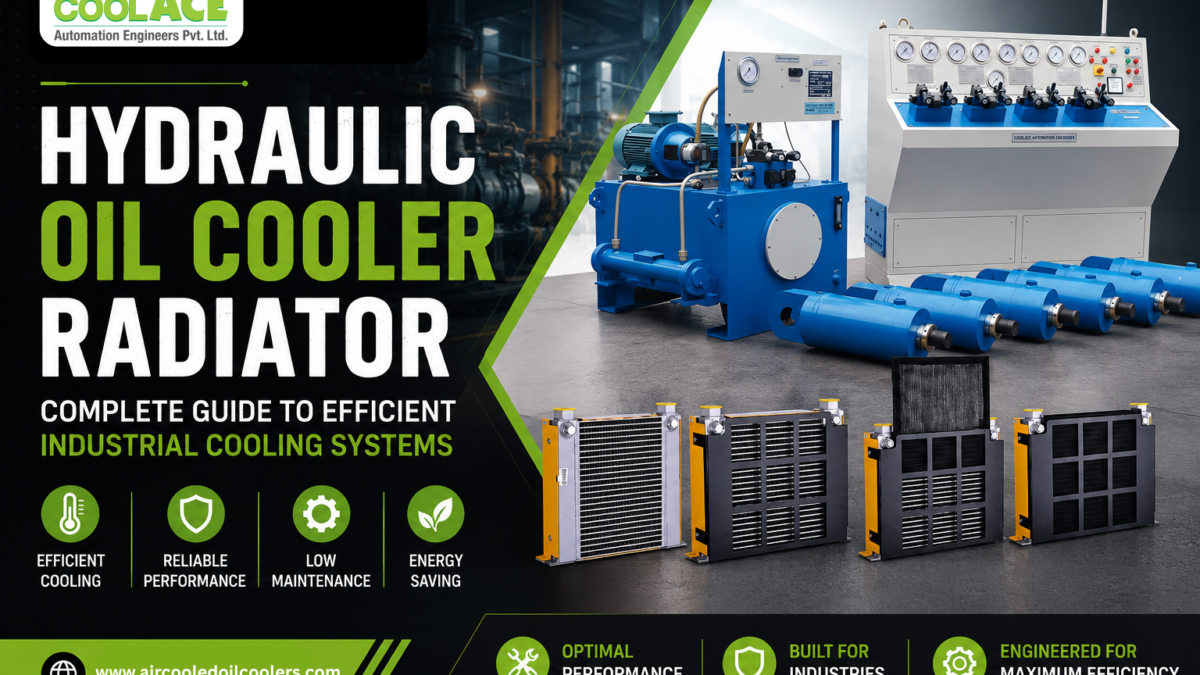
Hydraulic systems are the backbone of modern industrial machinery. They power CNC machines, hydraulic presses, injection moulding machines, construction equipment, mining machinery, steel plants, and many other industrial applications. During continuous operation, these systems generate a considerable amount of heat. If this heat is not managed effectively, hydraulic oil begins to lose its viscosity, resulting in poor lubrication, reduced efficiency, accelerated component wear, and unexpected equipment failures.
A Hydraulic Oil Cooler Radiator plays a crucial role in maintaining the ideal operating temperature of hydraulic oil. By efficiently dissipating excess heat, it protects pumps, valves, cylinders, seals, and other hydraulic components. This improves machine performance, extends equipment life, and minimizes costly downtime.
Whether you operate a manufacturing plant, manage heavy industrial machinery, or design hydraulic power packs, investing in the right cooling solution can significantly improve operational efficiency while reducing maintenance costs.
What is a Hydraulic Oil Cooler Radiator?
A Hydraulic Oil Cooler Radiator is an industrial cooling system designed to remove excess heat from hydraulic oil before it recirculates through the hydraulic circuit. Using an efficient heat transfer process, it maintains a consistent oil temperature and prevents overheating during continuous machine operation.
Modern hydraulic oil cooler radiators are engineered to provide high cooling efficiency, compact installation, minimal maintenance, and long service life.
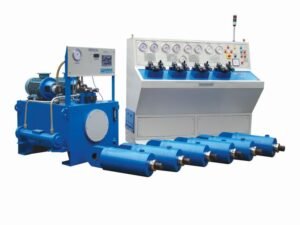
These cooling systems are commonly installed in:
- Hydraulic Power Packs
- CNC Machines
- VMC and HMC Machines
- Injection Moulding Machines
- Hydraulic Presses
- Stone Crushers
- Earthmoving Equipment
- Mobile Hydraulic Systems
- Agricultural Machinery
- Industrial Automation Equipment
Why Hydraulic Oil Temperature Matters
Hydraulic oil temperature has a direct impact on the overall performance and reliability of hydraulic systems. Excessive heat can shorten the lifespan of both the oil and critical machine components.
When hydraulic oil operates above the recommended temperature, several issues can occur:
- Reduced oil viscosity
- Poor lubrication
- Increased internal leakage
- Lower pump efficiency
- Faster seal deterioration
- Premature wear of hydraulic components
- Oil oxidation
- Higher maintenance costs
- Increased machine downtime
Maintaining the correct operating temperature helps ensure stable hydraulic pressure, smoother machine performance, and a longer service life for the entire hydraulic system.
How Does a Hydraulic Oil Cooler Radiator Work?
A hydraulic oil cooler radiator operates on the principle of efficient heat transfer.
The cooling process involves the following steps:
- Hot hydraulic oil exits the hydraulic circuit.
- The oil passes through specially designed cooling tubes.
- A high-performance fan forces ambient air across the cooling fins.
- Heat transfers from the oil to the surrounding air.
- The cooled hydraulic oil returns to the hydraulic reservoir.
- The cycle repeats continuously while the machine operates.
This continuous cooling process helps maintain optimal oil temperature, even during long production hours.
Air Cooled Oil Cooler vs Water Cooled Oil Cooler
Choosing the right cooling system depends on your operating conditions and cooling requirements.
An Air Cooled Oil Cooler uses ambient air to remove heat from hydraulic oil. It does not require a water supply, making installation simple and maintenance minimal. It is an ideal solution for most industrial applications where water availability is limited or maintenance costs need to be controlled.
A Water Cooled Oil Cooler, on the other hand, uses water as the cooling medium. Although it provides excellent cooling capacity for certain high-load applications, it requires a continuous water supply, additional piping, and regular maintenance to prevent scaling and corrosion.
For most industrial environments, an Air Cooled Oil Cooler offers the best combination of performance, reliability, and cost-effectiveness.
Benefits of Using an Air Cooled Oil Cooler
An Air Cooled Oil Cooler offers several advantages that improve hydraulic system performance and reduce operating costs.
Superior Cooling Efficiency
Modern cooling technology quickly dissipates heat and maintains stable hydraulic oil temperatures, even under heavy operating conditions.
Improved Machine Performance
Maintaining consistent oil temperature improves hydraulic response, increases operational accuracy, and enhances overall machine efficiency.
Longer Equipment Life
Effective cooling reduces stress on pumps, motors, cylinders, bearings, valves, and seals, extending the lifespan of expensive hydraulic components.
Reduced Maintenance Costs
Lower oil temperatures reduce oil degradation, extend maintenance intervals, and minimize unexpected equipment failures.
Energy Efficient Operation
High-efficiency cooling systems reduce unnecessary power consumption while supporting sustainable industrial operations.
Compact Design
Modern hydraulic oil coolers deliver high cooling capacity within a compact footprint, making installation easier in space-constrained environments.
Low Maintenance
Since no water is required, air cooled systems eliminate problems such as scaling, corrosion, water leakage, and complex maintenance procedures.
Hydraulic Oil Air Cooler Applications
A Hydraulic Oil Air Cooler is widely used across industries where hydraulic systems operate continuously.
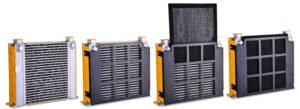
Typical applications include:
- CNC Machine Tools
- Hydraulic Presses
- Injection Moulding Machines
- Forging Machines
- Plastic Processing Machinery
- Hydraulic Power Packs
- Steel Rolling Mills
- Mining Equipment
- Stone Crushers
- Cement Plants
- Marine Equipment
- Agricultural Machinery
- Material Handling Equipment
- Construction Machinery
- Railway Maintenance Equipment
Reliable cooling is essential in each of these industries to maximize productivity, improve machine reliability, and reduce maintenance expenses.
Features of a High-Quality Hydraulic Oil Cooler Radiator
A premium hydraulic oil cooler radiator should include the following features:
- High thermal efficiency
- Heavy-duty aluminium cooling core
- Precision-engineered cooling fins
- Corrosion-resistant construction
- High-performance axial cooling fan
- Low noise operation
- Compact and lightweight design
- Long operational life
- Energy-efficient motor
- Reliable continuous-duty performance
These features ensure consistent cooling performance while reducing operating costs throughout the equipment’s service life.
Choosing the Right Hydraulic Oil Cooler Radiator
Selecting the correct hydraulic oil cooler requires careful evaluation of several important factors.
Consider the following before purchasing:
- Hydraulic oil flow rate
- Total heat load generated by the system
- Ambient operating temperature
- Maximum system pressure
- Available installation space
- Continuous or intermittent operating cycle
Choosing the correct cooler size ensures maximum cooling efficiency and prevents both undercooling and unnecessary energy consumption.
Oil Cooler Heat Exchanger: Understanding the Technology
An Oil Cooler Heat Exchanger transfers heat from hydraulic oil to a cooling medium without allowing the fluids to mix.
Its cooling efficiency depends on several engineering factors, including:
- Heat transfer surface area
- Airflow volume
- Oil flow velocity
- Cooling fin design
- Tube material
- Heat transfer efficiency
Modern oil cooler heat exchangers are designed to maximize thermal performance while minimizing energy consumption and maintenance requirements.
Why Industries Choose Experienced Air Cooled Heat Exchanger Manufacturers
Selecting an experienced Air Cooled Heat Exchanger Manufacturer ensures consistent product quality, advanced engineering, and dependable long-term performance.
Trusted manufacturers typically offer:
- Advanced thermal engineering
- Precision manufacturing processes
- Rigorous quality testing
- High-quality raw materials
- Reliable after-sales support
- Compliance with industry standards
- Custom-designed cooling solutions
- Proven product reliability
Working with an experienced manufacturer helps improve equipment performance while reducing long-term operating costs.
Industries That Depend on Hydraulic Oil Cooler Radiators
Hydraulic oil cooler radiators are widely used in industries that rely on continuous hydraulic operation.
These include:
- Automotive Manufacturing
- Aerospace Engineering
- Defence Equipment Manufacturing
- Steel Plants
- Paper Mills
- Textile Industry
- Plastic Processing
- Food Processing
- Packaging Machinery
- Mining Operations
- Construction Equipment
- Marine Industry
- Renewable Energy Plants
- Industrial Automation
- Heavy Engineering
Across all these sectors, maintaining the correct hydraulic oil temperature is essential for improving productivity, protecting valuable equipment, and ensuring reliable long-term performance.